Email attachments still cap out at 25 MB on Gmail and 20 MB on most corporate inboxes, but the files people actually need to share in 2026 — a 4K screen recording, a RAW photo shoot, a Figma export, a full-resolution PDF portfolio — routinely land somewhere between 100 MB and 2 GB. The gap between what you can attach and what you actually want to send is exactly why every freelancer, agency and remote team ends up looking for a fast, no-signup file transfer service.
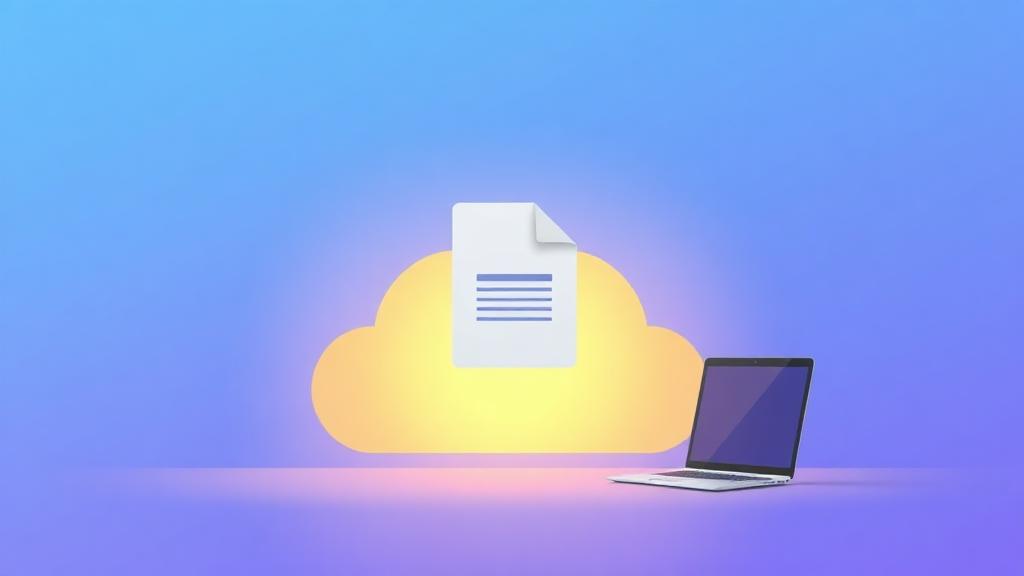
The File Transfer tool on Rash Tools handles files up to 2 GB with nothing more than a drag-and-drop. Small files under 100 MB go into fast Lovable Cloud storage; anything larger is streamed to a dedicated VPS storage endpoint so uploads stay quick even on gigabyte-sized videos. You get back a short share link (plus a scannable QR code) that the recipient can open on any device without an account.
Before you upload, pick an expiry window that matches the sensitivity of the file. One hour is enough for a live client review, 24 hours for a design handover, and 7 days for anything the recipient might need to come back to. For confidential work, add an optional password on the upload screen — the link is useless without it, so you can share it publicly in Slack or WhatsApp and only reveal the password in a separate channel.
If your file is bigger than the 2 GB per-transfer limit, do a quick pass through the right compressor first. Video files shrink dramatically with the Compress Video tool, scanned PDFs with Compress PDF, and audio masters with Compress MP3 or Compress WAV. You can also split very long PDFs with Split PDF or trim unused footage with the Video Trimmer before uploading, both of which typically cut the transfer in half.
Because everything is link-based, File Transfer is also the cleanest way to send files to yourself between devices. Upload from a laptop, scan the QR code with your phone, and the file downloads directly — no cables, no cloud sync account and no waiting for a sync client to notice the new file. For most one-off transfers this is now faster than logging in to Google Drive or Dropbox on both ends.